
Centering voices of color in ways that uplift people. Research in community.
Research Areas
Black Studies
Ethnic Studies
History
Oral History
Archives
Historian of Science, Medicine, and Technology
Women, Gender & Sexuality Studies
Education (Secondary Education, Higher Education)
Methodologies
Critical Race Theory
African-Centered Pedagogy
Qualitative Research
Quantitative Research
Projects
Sankofa Roots of Black Studies: The Early History of Pan-African Studies at California State University, Los Angeles, 1965-1985
This study examines the early history of Pan-African Studies at California State University, Los Angeles, tracing its development between 1965 and 1985 as one of the earliest Black Studies programs in the United States. Framed through the African-centered concept of Sankofa—the practice of looking to the past to inform the future—this research situates the emergence of the department within the broader struggles for Black self-determination, intellectual autonomy, and institutional transformation during the Black Freedom Movement. The study foregrounds Pan-African Studies not merely as an academic discipline, but as a product of collective resistance to the historical denial of Black people’s right to read, study their own histories, and control the production of knowledge.
Read More
Using a qualitative historical methodology, this inquiry draws upon archival research and oral histories to construct a narrative of the department’s founding, early curriculum, faculty leadership, student activism, and institutional challenges. Archival sources include university records, departmental documents, and contemporaneous publications, while oral histories center the voices of faculty, students, and community members who shaped and sustained the program. By privileging lived experience alongside institutional records, this study challenges traditional historiographies that marginalize Black intellectual labor. Ultimately, this dissertation contributes to Black Studies scholarship by documenting an underexamined institutional history and affirming Pan-African Studies as a transformative, community-rooted project central to the ongoing struggle for educational and cultural liberation.
History at Home: Black Student Experiences in Secondary School U.S. History Classes
This dissertation employs an exploratory sequential mixed-methods design to examine how Black students learn, interpret, and experience history in secondary school U.S. history classrooms and beyond. Grounded in African-centered and Black Studies epistemologies, the study is informed by the West African proverb, “A child who only learns at school is an uneducated child,” which frames historical knowledge as communal, intergenerational, and rooted in lived experience. Responding to longstanding gaps in research on curriculum and Black student experience, the study centers Black youth as knowledge producers whose historical consciousness is shaped not only by formal schooling but also by family, community, and cultural memory—what students often describe as learning “history at home.”
Read More
The study begins with a qualitative phase using Sankofa circles, an African-centered dialogic method, to engage Black students in reflective conversations about where and how they learn history, whose histories are validated in school, and how they navigate tensions between school-based narratives and community knowledge. Insights from these Sankofa circles inform the development of the second, analytic phase, which examines the relationship between student experiences and the official curriculum through analysis of the California History–Social Studies Standards, the History–Social Studies Framework, district-adopted U.S. history textbooks, and educators’ instructional practices. By sequencing African-centered qualitative inquiry before curriculum analysis, the study intentionally centers Black student voice and epistemology as foundational rather than supplementary. This research contributes to Ethnic Studies, Black Studies, and social studies education scholarship by demonstrating how curriculum functions as a racialized structure and by offering African-centered methodological possibilities for studying Black students’ historical understanding, belonging, and critical consciousness.

Making Black Germans Visible: The History of Black Germans through Community Organizing, Racialized Statistics, Government Policy, and Transnational Encounters, 1871-1995
This dissertation examines the historical presence, experiences, and political visibility of Black Germans from German unification in 1871 through the end of the Cold War in 1995. Grounded in African-centered and Black diasporic frameworks, the study challenges the persistent marginalization of Black Germans within German national historiography by centering Black life, resistance, and community formation as foundational to modern German history. Guided by the African-centered imperative to reclaim silenced histories, this research positions Black Germans not as anomalies within the nation-state, but as active historical agents whose lives illuminate the racialized foundations of citizenship, belonging, and governance in Germany.
Read More
Using extensive archival research across state, municipal, organizational, and personal collections, this dissertation analyzes how Black Germans were rendered visible and invisible through racialized statistics, government policy, and public discourse, while simultaneously producing alternative forms of visibility through community organizing, cultural production, and transnational encounters. The study traces how colonialism, empire, Nazism, postwar occupation, migration, and global Black liberation movements shaped Black German experiences and political consciousness. Across eight chapters, the dissertation examines state surveillance and categorization, Afro-German activism, relationships with African American soldiers and intellectuals, and the influence of Pan-African and Black internationalist movements. By foregrounding Black German voices and networks, this project contributes to African diaspora studies, German history, and Black European scholarship, demonstrating how Black Germans actively contested racial exclusion and articulated visions of belonging, dignity, and freedom across shifting political regimes.
A Nation’s Strength in Mother’s Milk: Women of Color, Breastfeeding, and Reproductive Justice in the United States, 1870–1970
This research project examines the relationship between women of color, white supremacy, national public health, and the U.S. state through the history of breastfeeding from the late nineteenth through the mid-twentieth century. Grounded in reproductive justice and Black feminist scholarship, the study centers Black, Indigenous, and other women of color as historical actors whose reproductive labor was shaped by racial capitalism, medical authority, and state efforts to secure the biological future of the nation. This research argues that white supremacy functioned as a foundational structure of U.S. national public health, shaping which maternal bodies were protected, regulated, or abandoned, and rendering women of color’s reproductive labor central to the pursuit of national strength while denying them reproductive autonomy. As public health emerged as a national project during this period, infant feeding became a key site through which racial hierarchies, gender norms, and ideas of citizenship were produced and enforced.
Read More
Drawing on public health campaigns, medical journals, government reports, reform organization records, and community-based sources, the article demonstrates how national public health initiatives were deeply embedded in white supremacist logics that defined which populations were worthy of protection, investment, and care. While white middle-class motherhood was increasingly framed as essential to national vitality and supported through medical supervision and state resources, the reproductive lives of women of color were surveilled, disciplined, or neglected. Black women’s breastfeeding practices were shaped by the afterlives of enslavement, coerced labor, and racialized poverty; Indigenous women faced assimilationist public health interventions designed to disrupt maternal and community knowledge; and other women of color encountered medical regimes that pathologized their bodies while ignoring the structural conditions that constrained reproductive autonomy. Through a reproductive justice lens, the article reveals how access to the conditions necessary for breastfeeding—time, nutrition, bodily autonomy, and safety—was systematically denied along racial lines.
At the same time, this study foregrounds women of color’s agency, embodied knowledge, and resistance, highlighting breastfeeding as a practice sustained through intergenerational wisdom and community care networks despite the violence of white supremacist public health regimes. By situating breastfeeding within the framework of reproductive justice—which insists on the right to bodily autonomy, to have and not have children, and to parent children in safe and supportive environments—this article argues that infant feeding was a central site of racial governance within U.S. national public health. Ultimately, the article contributes to Black Studies, women’s history, and the history of medicine by demonstrating that national public health was not race-neutral, but rather a project that relied upon the regulation and exploitation of women of color’s reproductive labor in the pursuit of national strength.
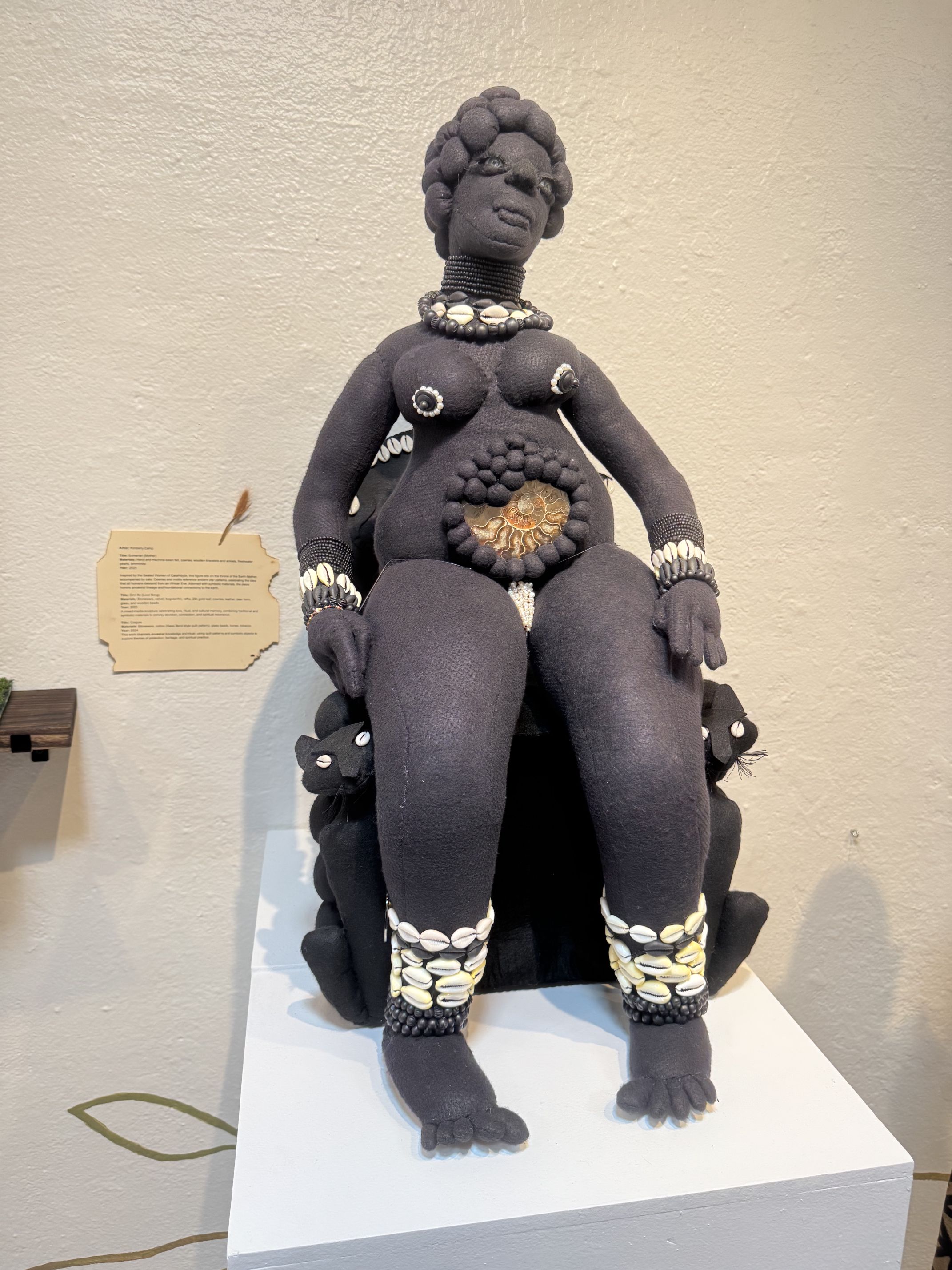
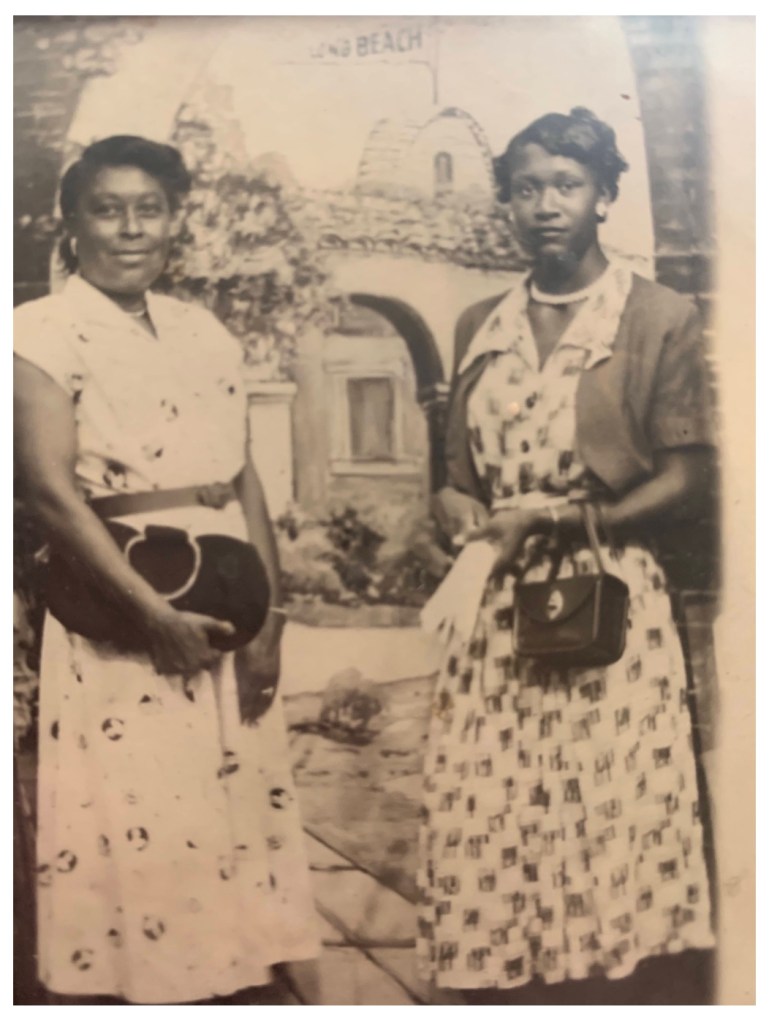
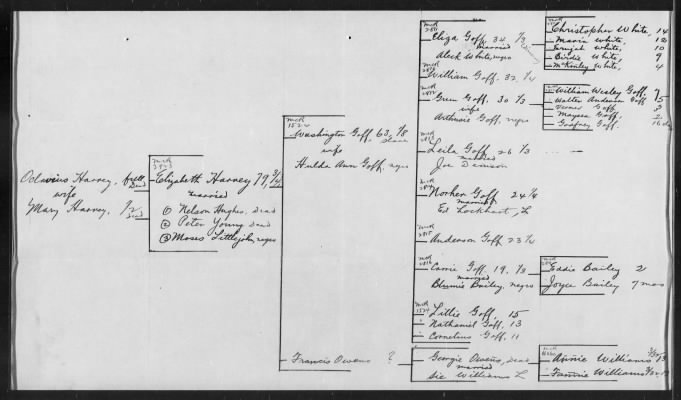
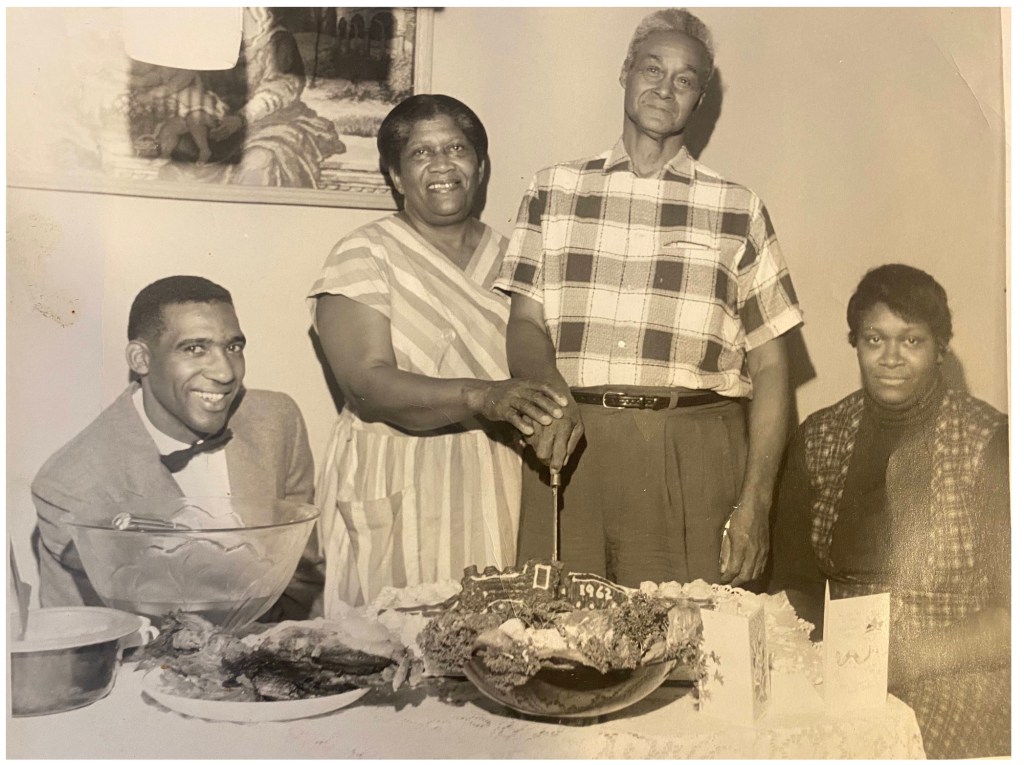
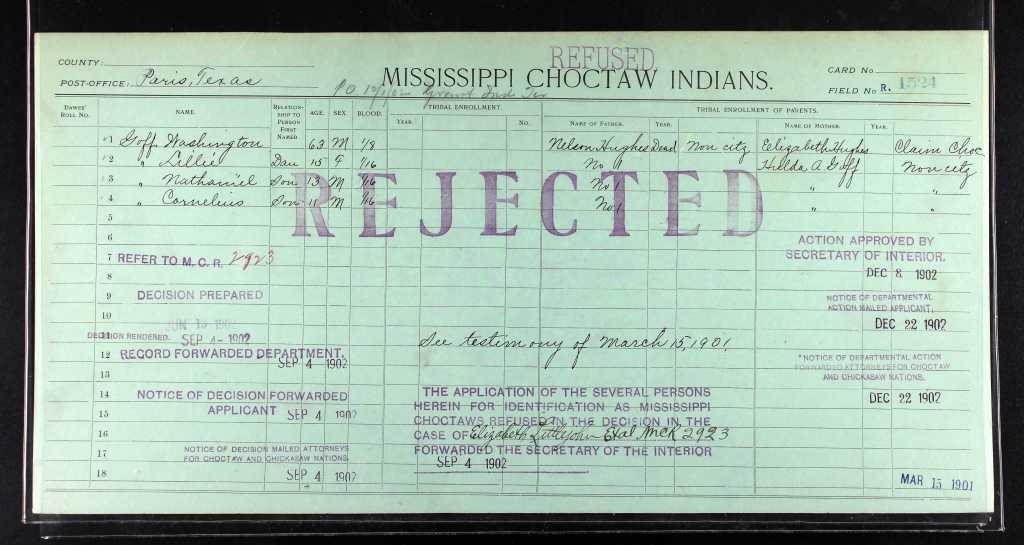
Ancestors in the Archive: The Radical Work of BIPOC History-Making and Archival Practice
This session will discuss the radical work of BIPOC archival practice. We will explore the history of the second College of Ethnic Studies in the U.S., participant positionality, the work of building archives that honor ancestors, elders, communities, and the land. This work intentionally brings together scholars from Asian and Asian American Studies, Chicana(o) and Latina(o) Studies, Native American and Indigenous Studies, and Pan-African Studies to engage in an interdisciplinary conversation.
Read More
According to a saying by Malian historian and writer Amadou Hampâté Bâ, “When an elder dies, a library burns down.” Oral history, counter-storytelling, and testimony/testimonio have been tools used to tell stories of BIPOC communities that reflect their experiences and knowledge in their own words. These counterstories have been central to work in Critical Race Theory and are often discussed as ways to challenge the grand narratives. There is also a growing body of scholarship that looks at BIPOC archival practice as a way to honor and build historical records of ancestors and elders in community.
This session will discuss the radical work of BIPOC archival practice among faculty in the context of working in the CalState LA College of Ethnic Studies at a historically white institution in higher education that overwhelmingly serves BIPOC. In this three-hour session, we will explore the brief history of the second College of Ethnic Studies in the United States, our positionality as presenters and participants, how to engage in the difficult work of building custodial and non-/post-custodial archives that honor the ancestors, elders, the communities we are in, and the land we inhabit. This work intentionally brings together scholars from Asian and Asian American Studies, Chicana/o/x and Latina/o/x Studies, Native American and Indigenous Studies, and Pan-African Studies to engage in a large interdisciplinary conversation that troubles the principles of traditional archival practices that value and catalog historical material-based on Euro-centric values that embed systemic white supremacy. We invite participants to engage with the presentation as a means of thinking about the possibilities of archival practice as radical history-making – space of hope that connects us to the ancestors and honor and celebrate BIPOC lives and experiences.
 Deborah Anna Brown